
This article explores how a character sketch uses a gentle pose soft linework and subtle body language to communicate emotion personality and calm visual storytelling.
Character Sketch Illustration and the Meaning of a Gentle Pose
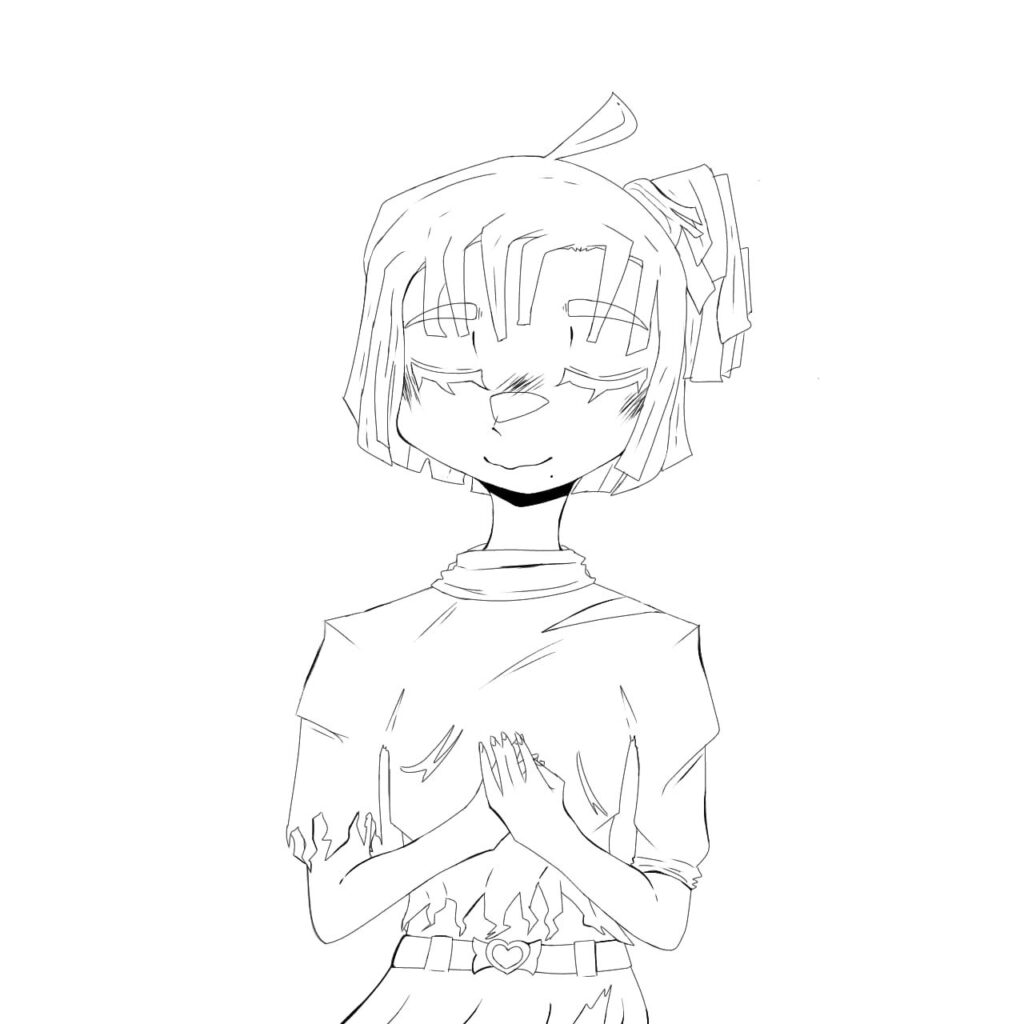
A character sketch illustration is often the first place where emotion begins to form. When paired with a gentle pose it becomes a quiet but powerful way to communicate personality. Unlike dramatic action poses a relaxed posture invites the viewer to slow down and observe subtle details.
A gentle pose can include relaxed shoulders loosely placed hands or a soft tilt of the head. These small choices shape how the character feels emotionally. Calm reflective or thoughtful moods are easier to express when the body language is natural and unforced.
In a character sketch illustration, the goal is not perfection but intention. Every line contributes to mood rather than realism.
Why Gentle Poses Matter in Character Design
Gentle poses help create emotional clarity. When a character is not in motion the viewer can focus on expression posture and presence. This allows personality to emerge without distraction.
Artists often use gentle poses when exploring quieter narratives. A resting stance can suggest vulnerability confidence or introspection depending on how it is drawn. Subtlety becomes the storytelling tool.
In early concept work gentle poses also help establish the emotional baseline of a character. Before placing them into complex scenes the artist defines how the character exists at rest.
The Role of Line Quality in a Character Sketch
Line quality plays a major role in how a sketch feels. Soft light strokes suggest calm and openness while heavy lines can feel rigid or intense. In a character sketch illustration with a gentle pose the linework usually remains minimal and fluid.
Loose lines allow room for interpretation. They encourage the viewer to engage imaginatively with the drawing rather than focusing on technical precision. This approach keeps the sketch expressive and alive.
Line variation also helps guide the eye. Thicker lines can anchor the form while lighter strokes imply movement or softness. Balance is key to maintaining a peaceful tone.
How Body Language Communicates Emotion
Body language often speaks louder than facial expression. The angle of the shoulders the position of the hands and the curve of the spine all influence how a character is perceived.
A gentle pose often avoids sharp angles. Curved lines and relaxed spacing between limbs create openness. This makes the character feel approachable and human even in a simple sketch.
When drawing a character sketch illustration artists benefit from observing real life posture. Natural relaxed poses from everyday moments often translate well into sketches.
Simplification as a Strength
One of the strengths of sketching is knowing what to leave out. Simplification helps the viewer focus on what matters most. In this case it is the emotional tone.
Details like clothing folds or facial features can be suggested rather than fully drawn. This keeps the sketch from feeling crowded. The character remains readable and expressive.
A simplified approach also makes the sketch flexible. It can later be developed into a finished illustration or remain as a standalone piece that captures a moment.
Common Challenges When Drawing Gentle Poses
One challenge is stiffness. When artists try to control every line the pose can lose its natural flow. Gentle poses benefit from relaxed drawing methods and confident strokes.
Another issue is imbalance. Even relaxed poses need structural support. Understanding basic anatomy ensures the character feels grounded rather than floating.
Overworking the sketch can also remove its charm. Knowing when to stop is an important skill in creating effective character sketch artwork.
How to Practice Drawing Calm and Expressive Sketches
Start with gesture drawing. Quick sketches help capture movement and posture without overthinking. Focus on the overall shape before details.
Use references of natural relaxed poses. Sitting standing or resting positions are excellent practice subjects. Pay attention to how weight is distributed.
Experiment with different tools. Softer pencils or digital brushes with texture can encourage looser lines and a gentler feel.
Most importantly allow imperfections. A character sketch illustration gains warmth from small irregularities that reflect the artist hand and intention.
Why This Style Resonates with Viewers
Viewers often connect deeply with quiet moments. A gentle pose allows space for interpretation and emotional connection. The character feels present rather than performative.
This makes such sketches ideal for portfolios personal projects and storytelling concepts. They show an understanding of emotion beyond surface design.
In a world full of visual noise calm illustrations stand out through restraint and sincerity.
Final Thoughts on Character Sketch Illustration
A character sketch illustration with a gentle pose proves that subtlety can be just as powerful as action. Through careful linework thoughtful posture and emotional intention artists create moments that feel real and personal.
By embracing simplicity and observation artists can develop sketches that resonate long after the first glance.